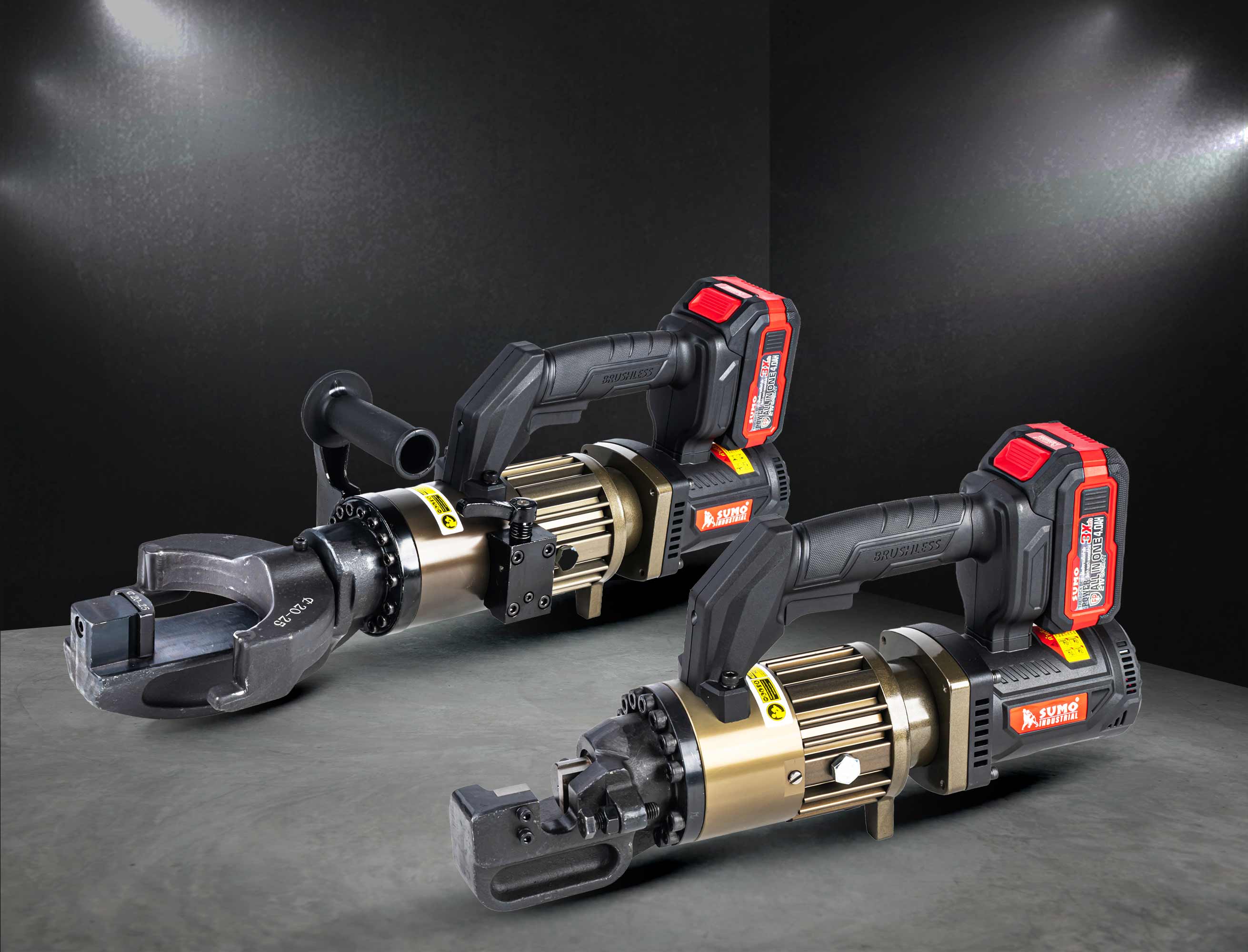
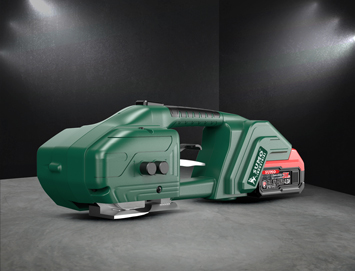
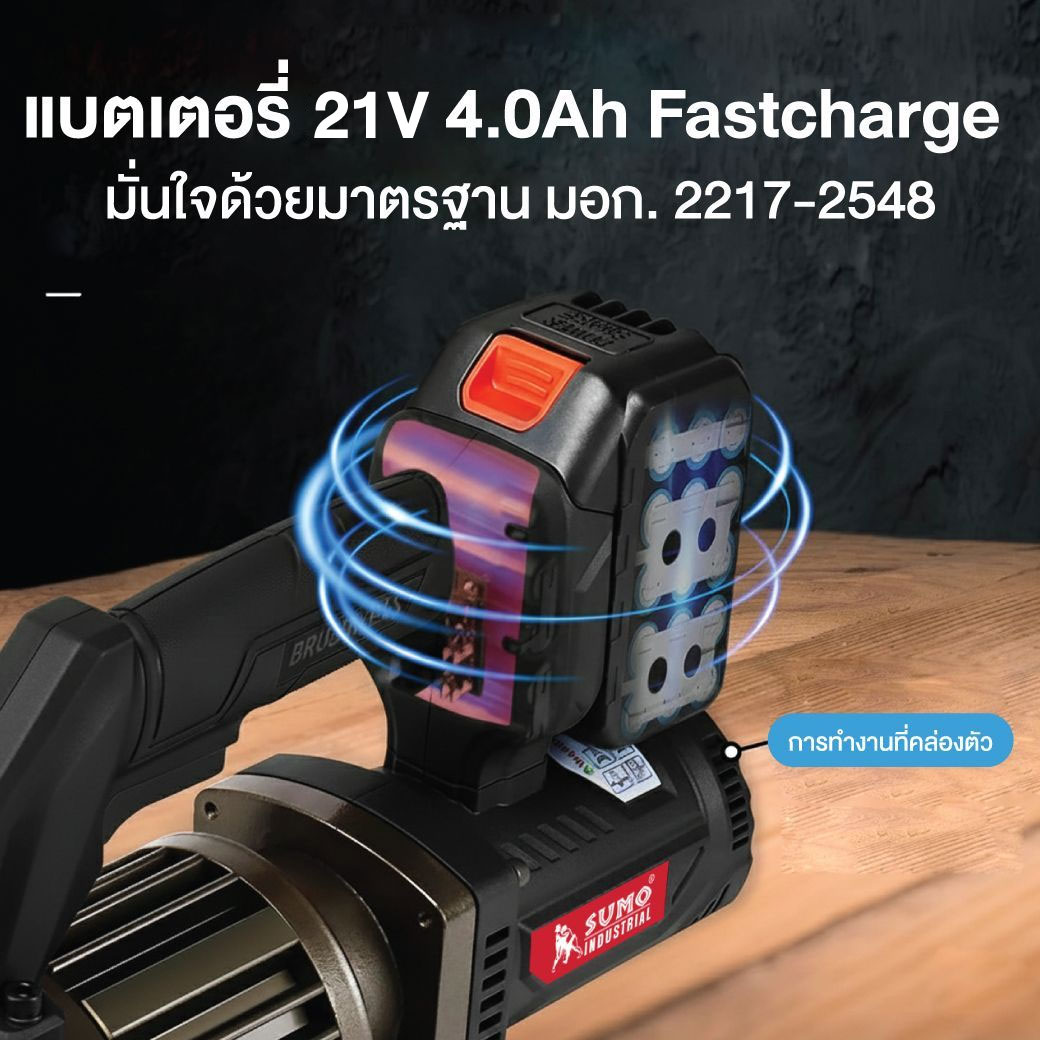
Brushless Motor: Delivers higher efficiency with lower heat generation, quiet operation, and an extended service life.
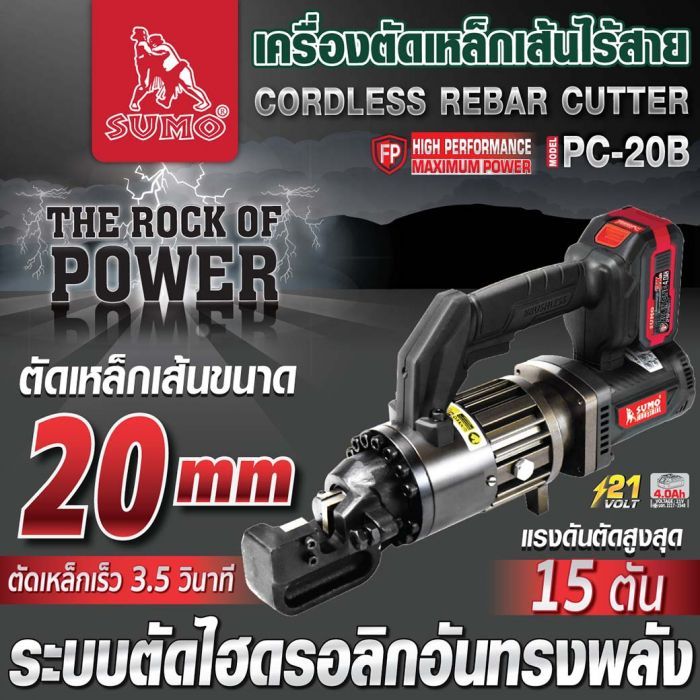
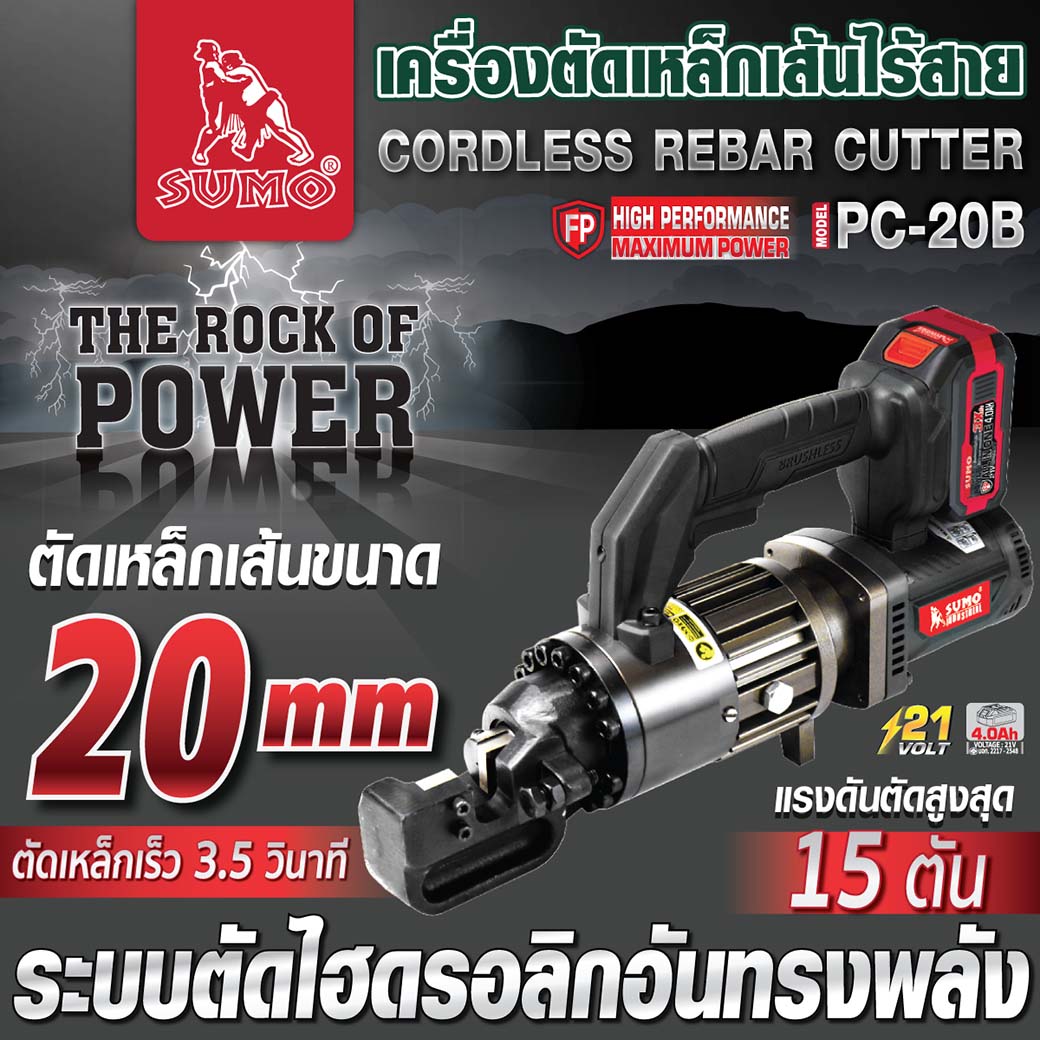
Cutting Speed: 3.5 seconds per cut.
Cutting Capacity: Supports rebar sizes from 4–20 mm.
High-Strength Alloy Blades: Built for heavy-duty use with exceptional durability, ensuring a long lifespan and reduced maintenance costs.
Electro-Hydraulic System: Provides stable, powerful, fast, and precise cutting force. Delivers clean cuts without deforming the workpiece.
Aerospace-Grade Aluminum: Constructed from high-quality aluminum for maximum strength and durability while remaining lightweight and highly maneuverable.
Compact & Ergonomic Design: Features an optimized weight balance for easy one-handed or single-person operation, even in confined spaces or at heights.
Overload Protection: Equipped with a built-in system to prevent motor damage from excessive loads.
Safety & Stability: Features stable hydraulic pressure control and a safety switch to ensure secure operation at all times.
Anti-Vibration System: Effectively reduces vibration to minimize operator fatigue during prolonged use.
Applications: Designed for construction sites, factories, workshops, and infrastructure projects. Ideal for both on-site construction and precast concrete work.
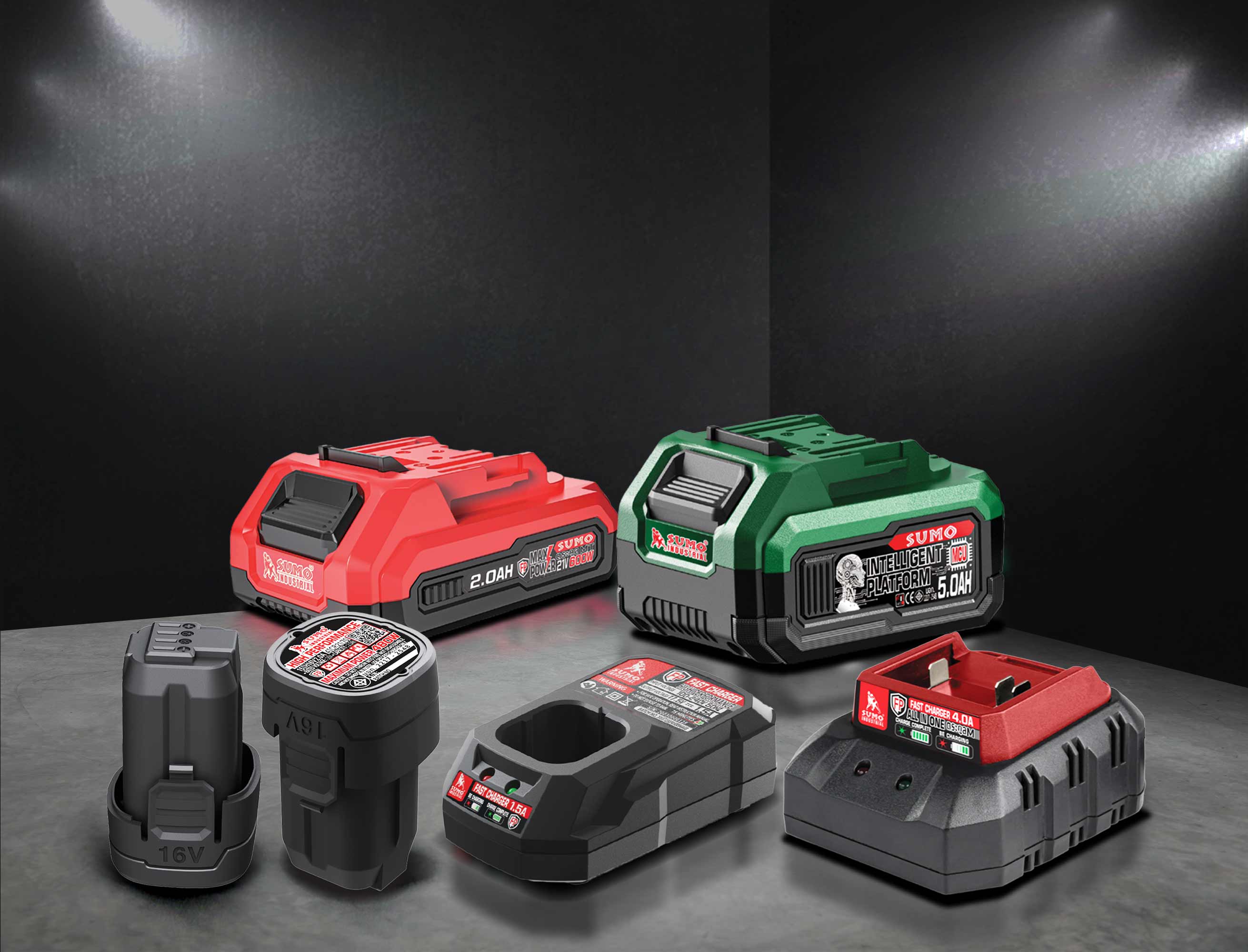
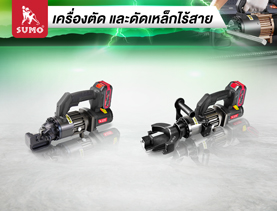
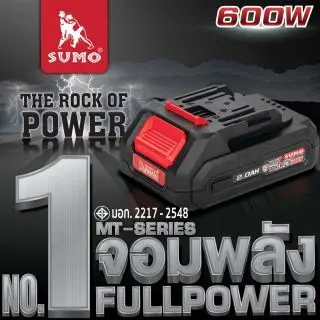
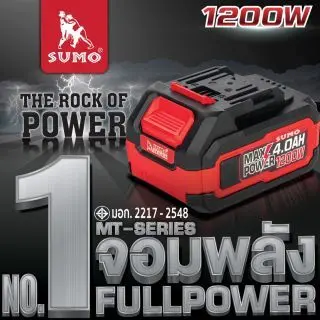
Battery & Charging: Powered by a 21V 4.0Ah battery, including a Fast Charger.
Malfunctioning Valve or Cylinder: If the machine still fails to cut after checking the oil and blades, the release valve may be malfunctioning, or the internal hydraulic cylinder may be damaged.
Degraded or Dirty Oil: The hydraulic fluid should be replaced periodically (ISO VG 46 is recommended) to prevent valve clogging.
Leaking Seals: If oil leaks from the cylinder or valves, the pressure will drop, resulting in a failure to cut.
Dull or Chipped Blades: Check the cutting edges on all 4 sides of the cutting blocks. If dull, rotate to a new edge or replace the pair of blades immediately.
Excessive Blade Clearance: The clearance between the upper and lower blades should be maintained at approximately 0.2 mm.
Unstable Voltage: Using an extension cord that is too long or has too small a wire gauge causes a voltage drop, preventing the motor from operating at full capacity. The recommended wire size is no less than 2.5 mm².
Material is Too Hard: Check if the rebar being cut exceeds the machine's specified maximum tensile strength (normally should not exceed 750 N/mm²).
Brushless Motor: Delivers higher efficiency with lower heat generation, quiet operation, and an extended service life.
Cutting Speed: 3.5 seconds per cut.
Cutting Capacity: Supports rebar sizes from 4–20 mm.
High-Strength Alloy Blades: Built for heavy-duty use with exceptional durability, ensuring a long lifespan and reduced maintenance costs.
Electro-Hydraulic System: Provides stable, powerful, fast, and precise cutting force. Delivers clean cuts without deforming the workpiece.
Aerospace-Grade Aluminum: Constructed from high-quality aluminum for maximum strength and durability while remaining lightweight and highly maneuverable.
Compact & Ergonomic Design: Features an optimized weight balance for easy one-handed or single-person operation, even in confined spaces or at heights.
Overload Protection: Equipped with a built-in system to prevent motor damage from excessive loads.
Safety & Stability: Features stable hydraulic pressure control and a safety switch to ensure secure operation at all times.
Anti-Vibration System: Effectively reduces vibration to minimize operator fatigue during prolonged use.
Applications: Designed for construction sites, factories, workshops, and infrastructure projects. Ideal for both on-site construction and precast concrete work.
Battery & Charging: Powered by a 21V 4.0Ah battery, including a Fast Charger.
Malfunctioning Valve or Cylinder: If the machine still fails to cut after checking the oil and blades, the release valve may be malfunctioning, or the internal hydraulic cylinder may be damaged.
Degraded or Dirty Oil: The hydraulic fluid should be replaced periodically (ISO VG 46 is recommended) to prevent valve clogging.
Leaking Seals: If oil leaks from the cylinder or valves, the pressure will drop, resulting in a failure to cut.
Dull or Chipped Blades: Check the cutting edges on all 4 sides of the cutting blocks. If dull, rotate to a new edge or replace the pair of blades immediately.
Excessive Blade Clearance: The clearance between the upper and lower blades should be maintained at approximately 0.2 mm.
Worn Carbon Brushes: For portable electro-hydraulic cutters, if the carbon brushes are worn out, the motor will lack the power to drive the pump.
Unstable Voltage: Using an extension cord that is too long or has too small a wire gauge causes a voltage drop, preventing the motor from operating at full capacity. The recommended wire size is no less than 2.5 mm².
Material is Too Hard: Check if the rebar being cut exceeds the machine's specified maximum tensile strength (normally should not exceed 750 N/mm²).


 1.เจียร ตัด ขัด ถู
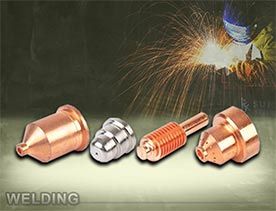
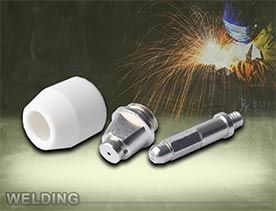
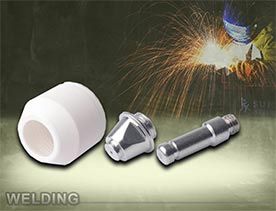
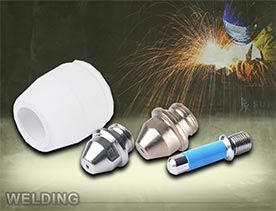
 2.งานเชื่อม ตัดพลาสม่า
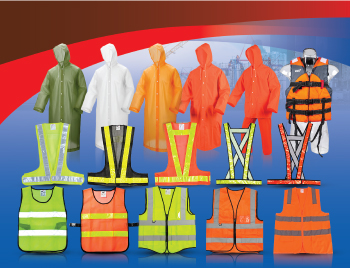
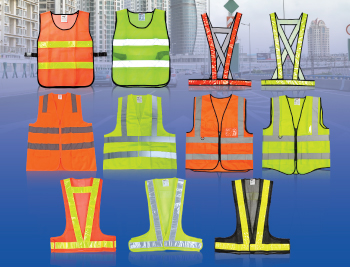
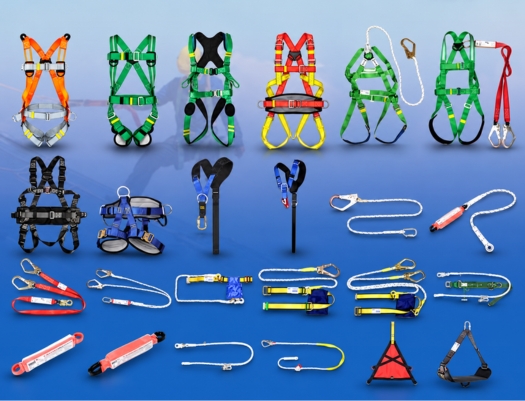
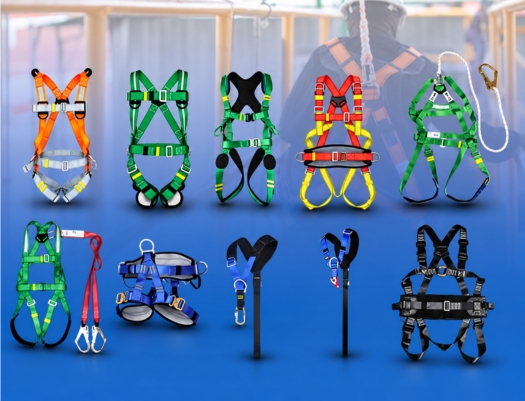
  3.อุปกรณ์เพื่อความปลอดภัย
  4.เจาะ เซาะ กัด เลื่อย
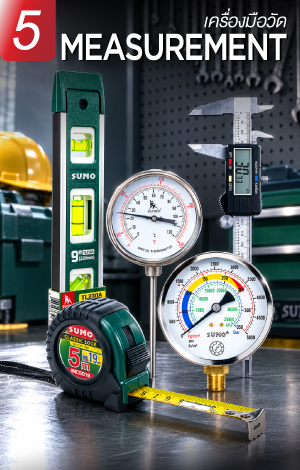
  5.เครื่องมือวัด
  6.อุปกรณ์ไฟฟ้า
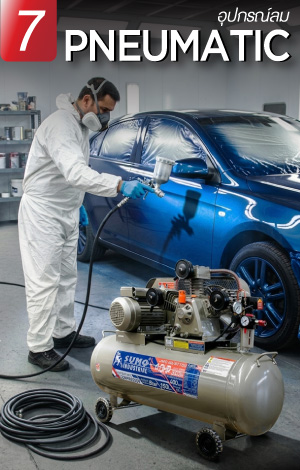
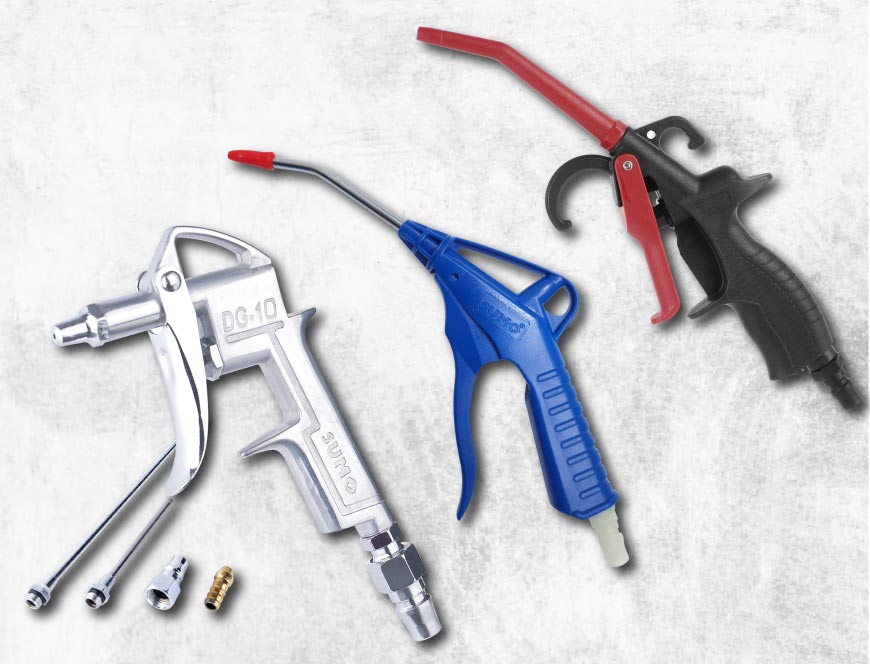
  7.อุปกรณ์ลม
  8.เครื่องมือไฟฟ้า
  9.ปั๊มน้ำ เครื่องอัดฉีด
  10.อุปกรณ์ดูแลรถยนต์
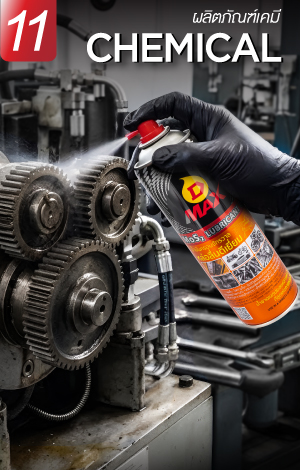
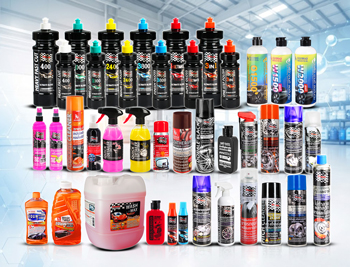
  11.เคมีภัณฑ์
  12.เครื่องมือ
  13.เครื่องจักร