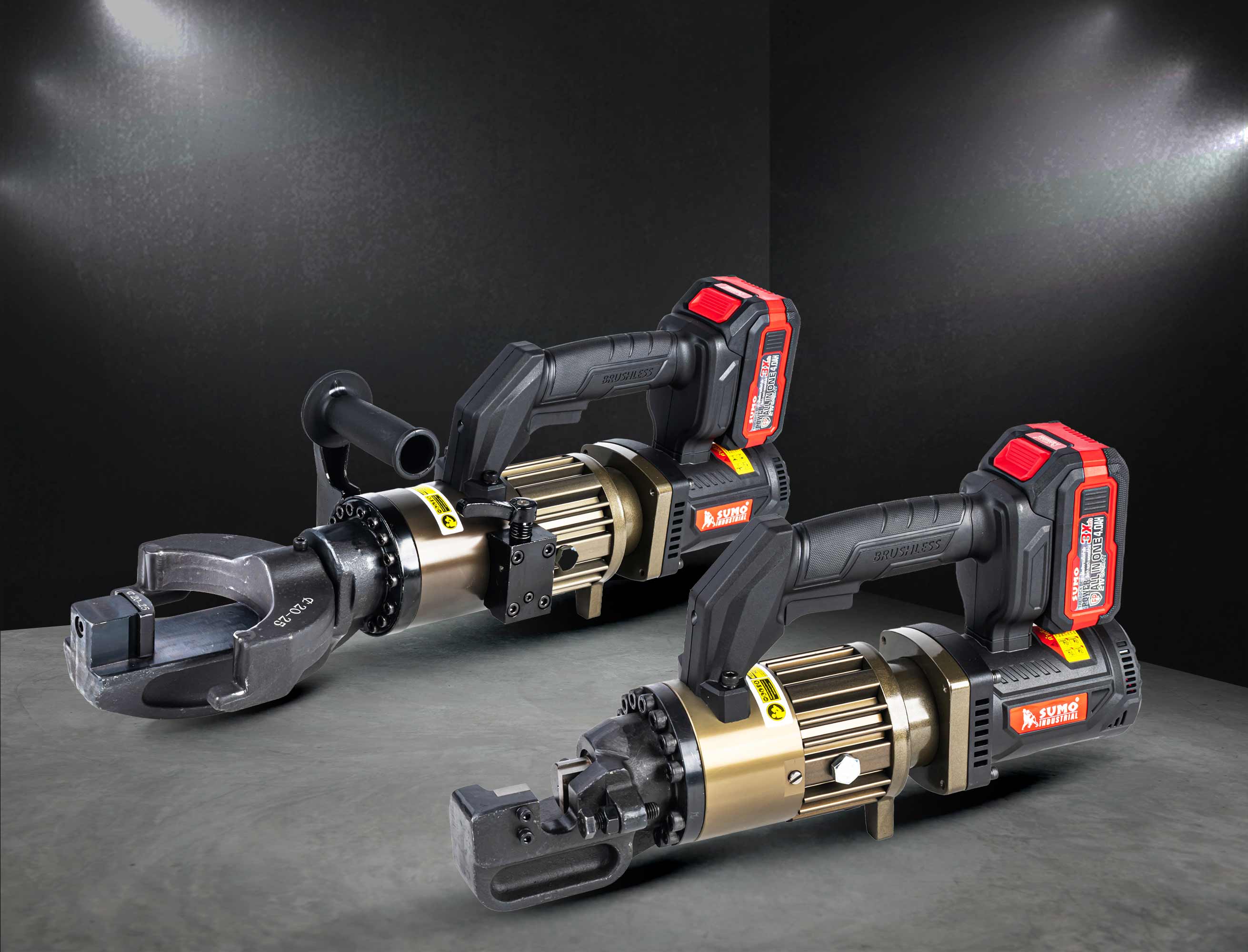
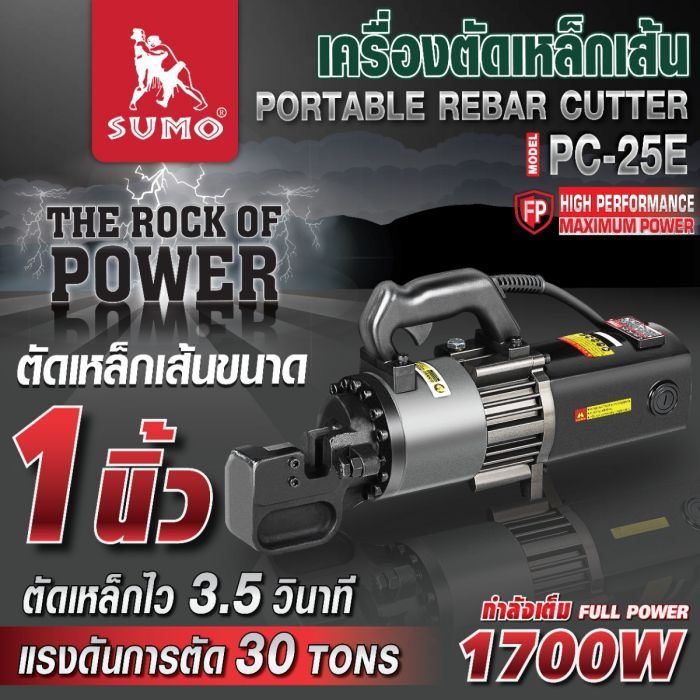
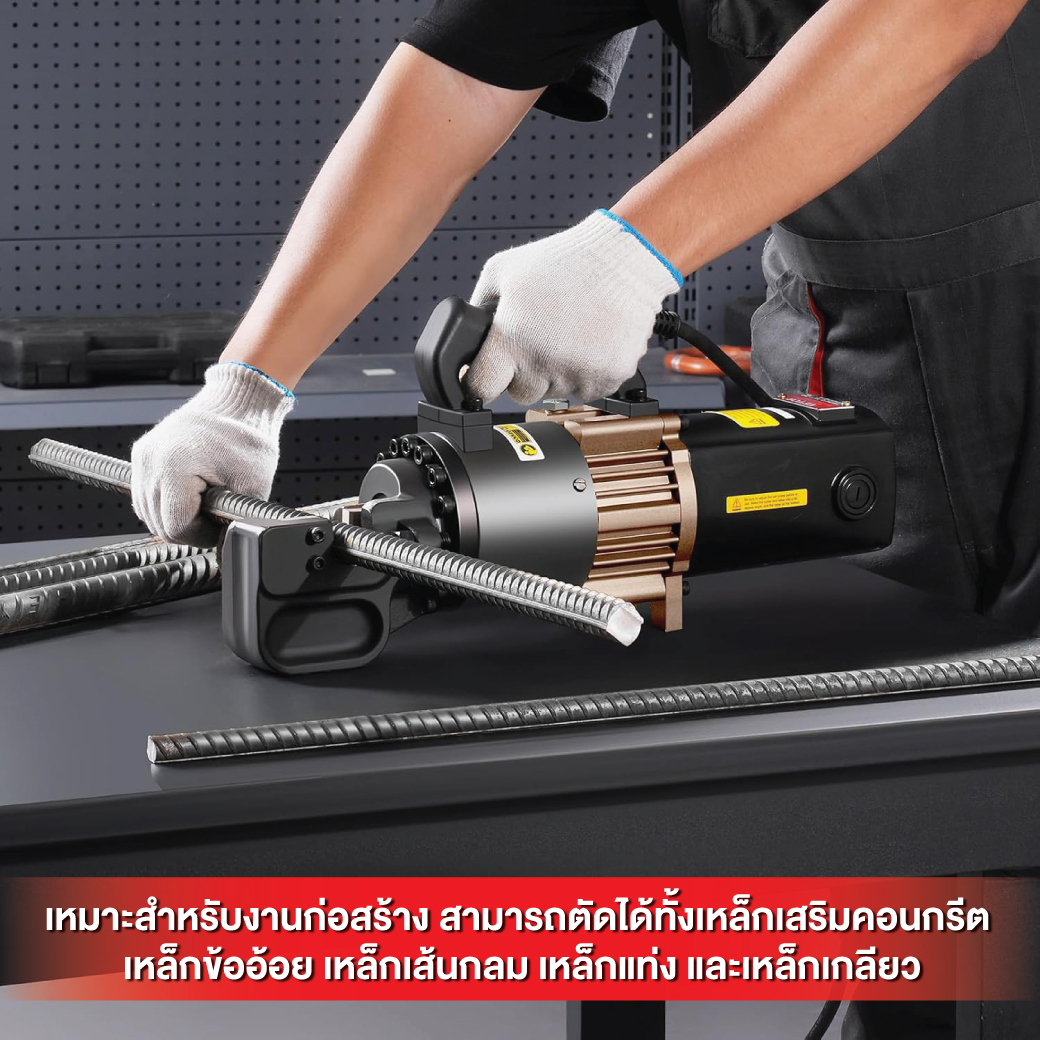
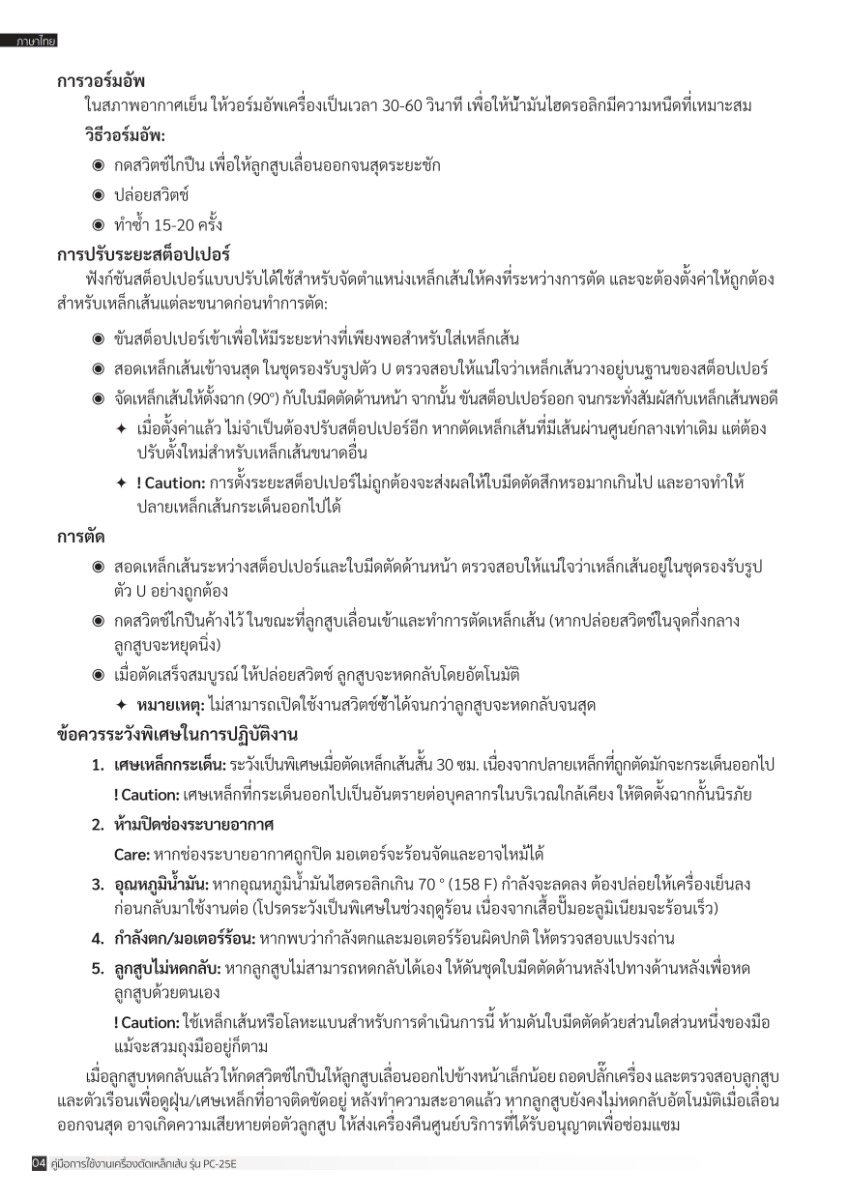
Insert the rebar between the stopper and the front cutting block. Ensure that the rebar is correctly positioned on the U-shaped support.
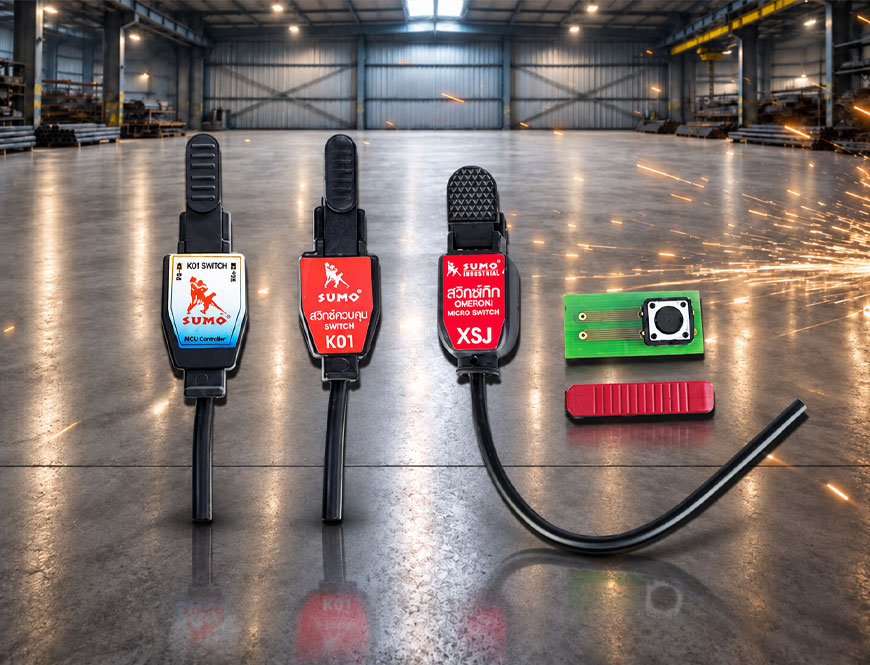
Pull and hold the trigger switch as the piston moves forward to cut the rebar. (If the switch is released mid-cut, the piston will stop).
Once the cut is complete, release the switch. The piston will automatically retract. (Note: The switch cannot be operated again until the piston has fully retracted).
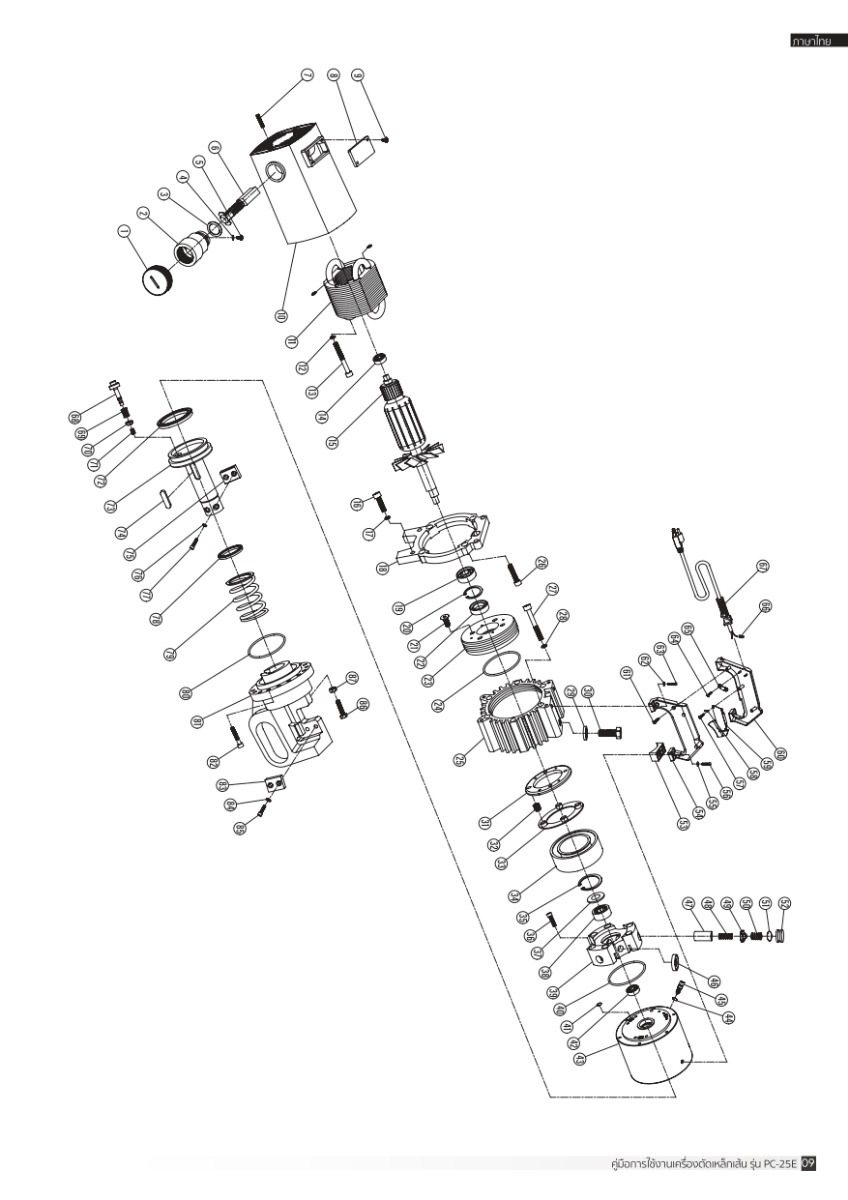
Malfunctioning Valve or Cylinder: If the machine still fails to cut after checking the oil and blades, the release valve may be malfunctioning, or the internal hydraulic cylinder may be damaged.
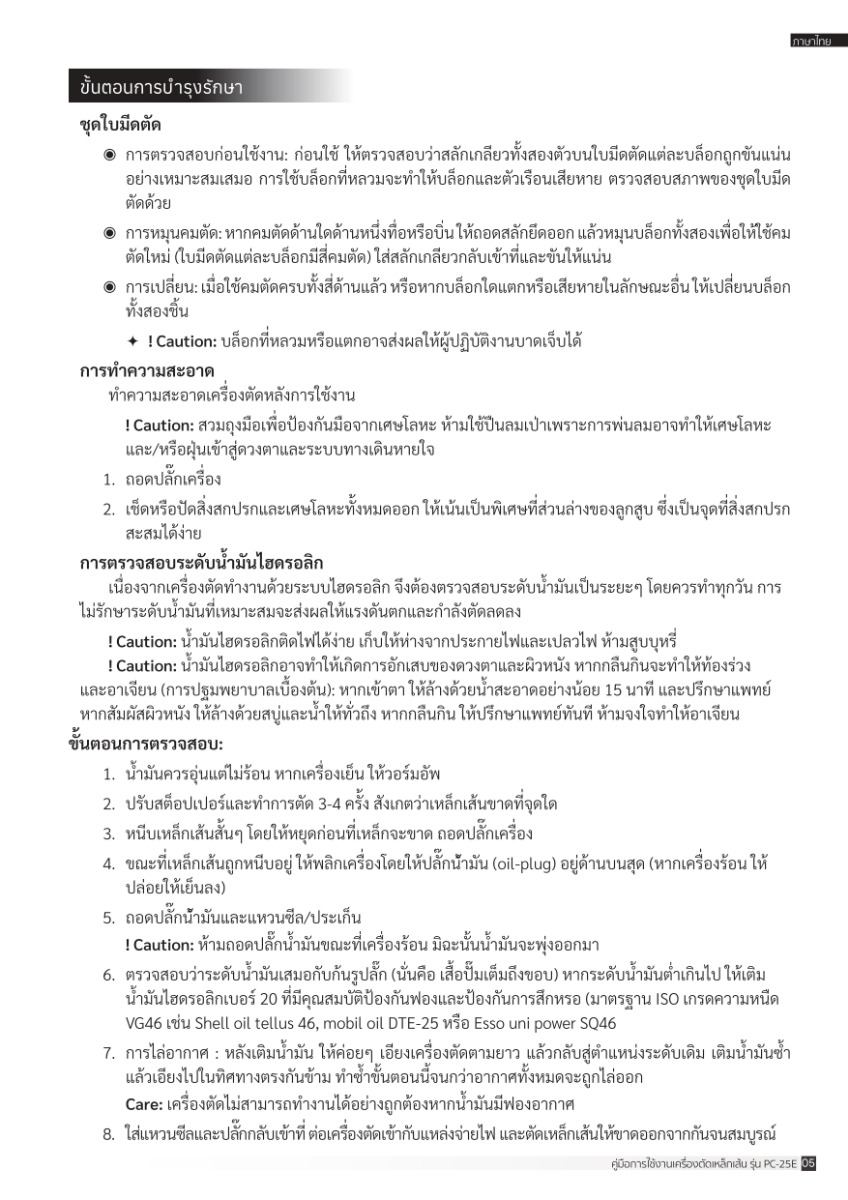
Degraded or Dirty Oil: The hydraulic fluid should be replaced periodically (ISO VG 46 is recommended) to prevent valve clogging.
Low hydraulic oil level is the most common cause of malfunction. Always check and refill the hydraulic oil to the edge of the filler port to ensure proper operation.
Air trapped in the hydraulic system can reduce performance. If air bubbles are present in the oil, the machine will not operate at full efficiency. Perform air bleeding by gently tilting the machine back and forth while refilling the oil.
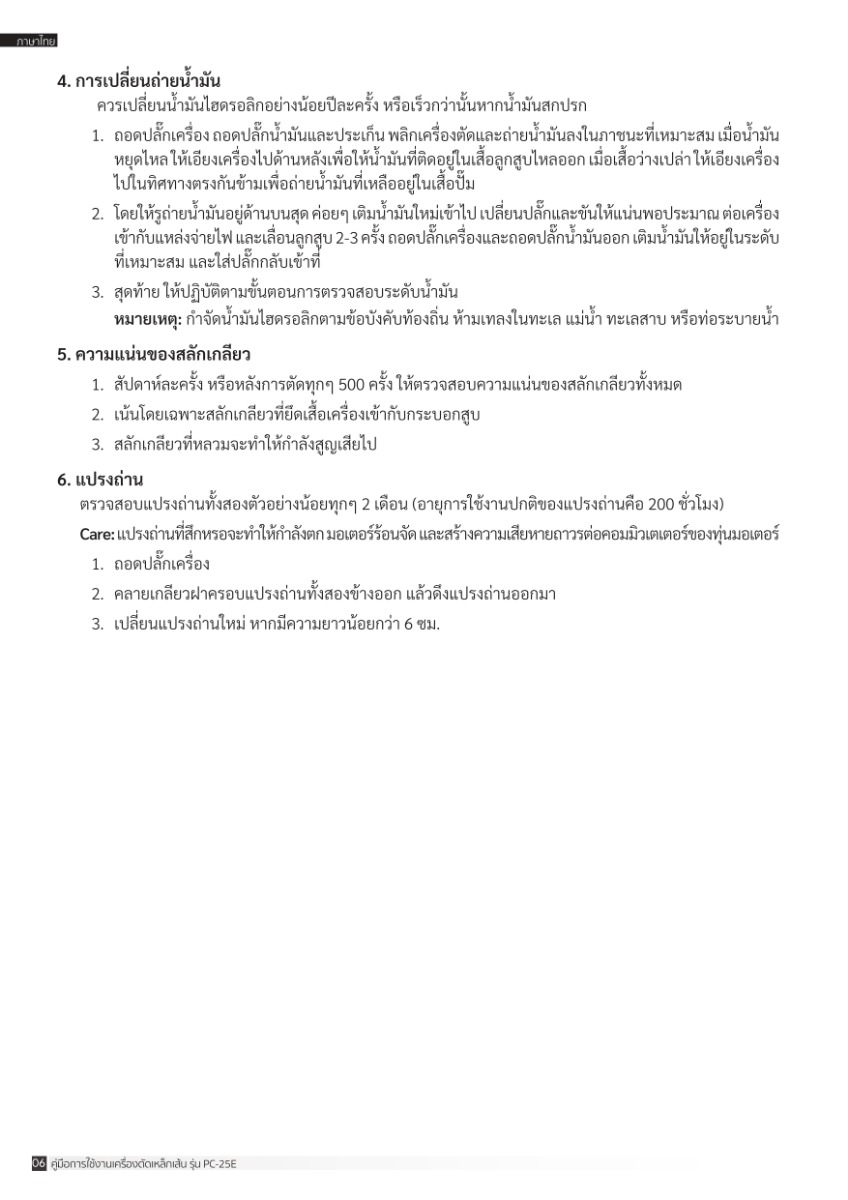
Leaking Seals: If oil leaks from the cylinder or valves, the pressure will drop, resulting in a failure to cut.
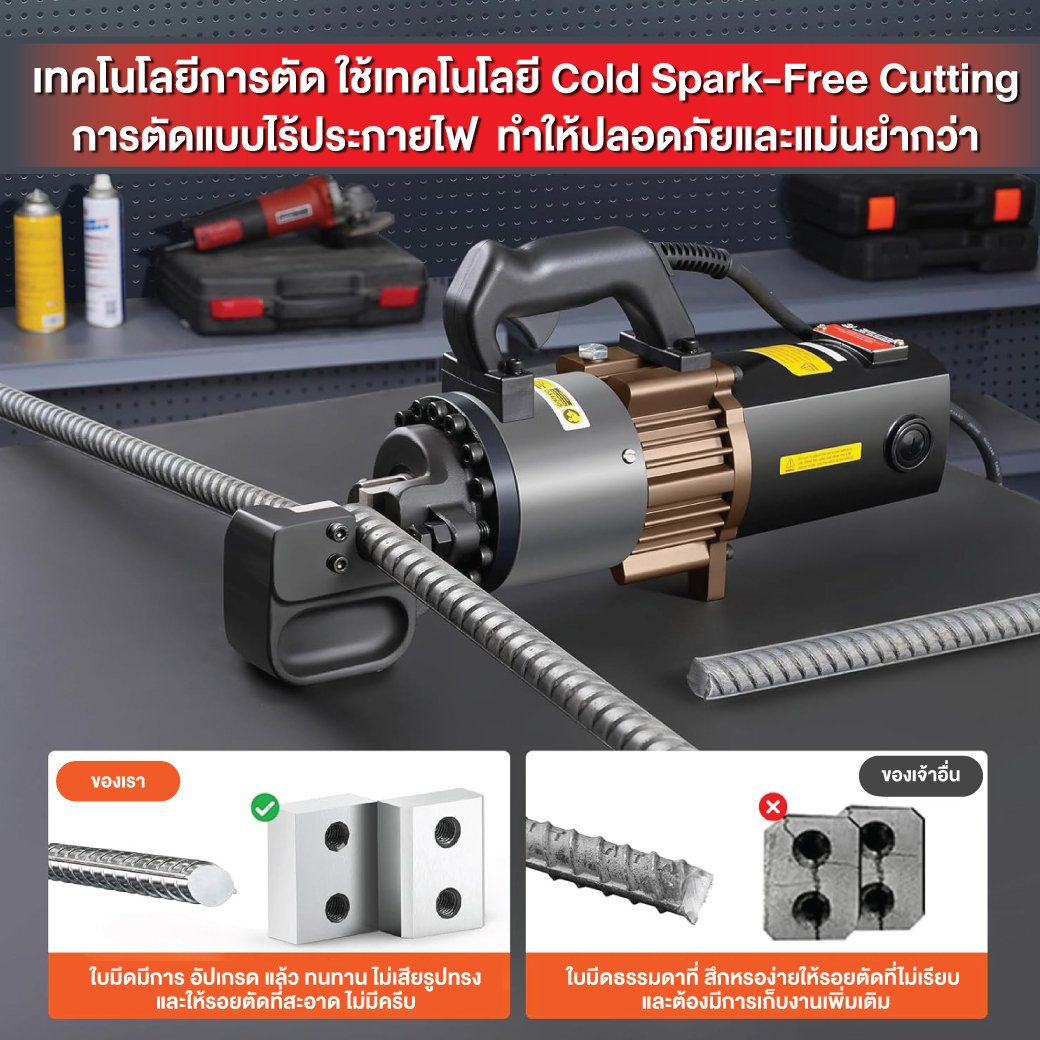
Dull or Chipped Blades: Check the cutting edges on all 4 sides of the cutting blocks. If dull, rotate to a new edge or replace the pair of blades immediately.
Excessive Blade Clearance: The clearance between the upper and lower blades should be maintained at approximately 0.2 mm.
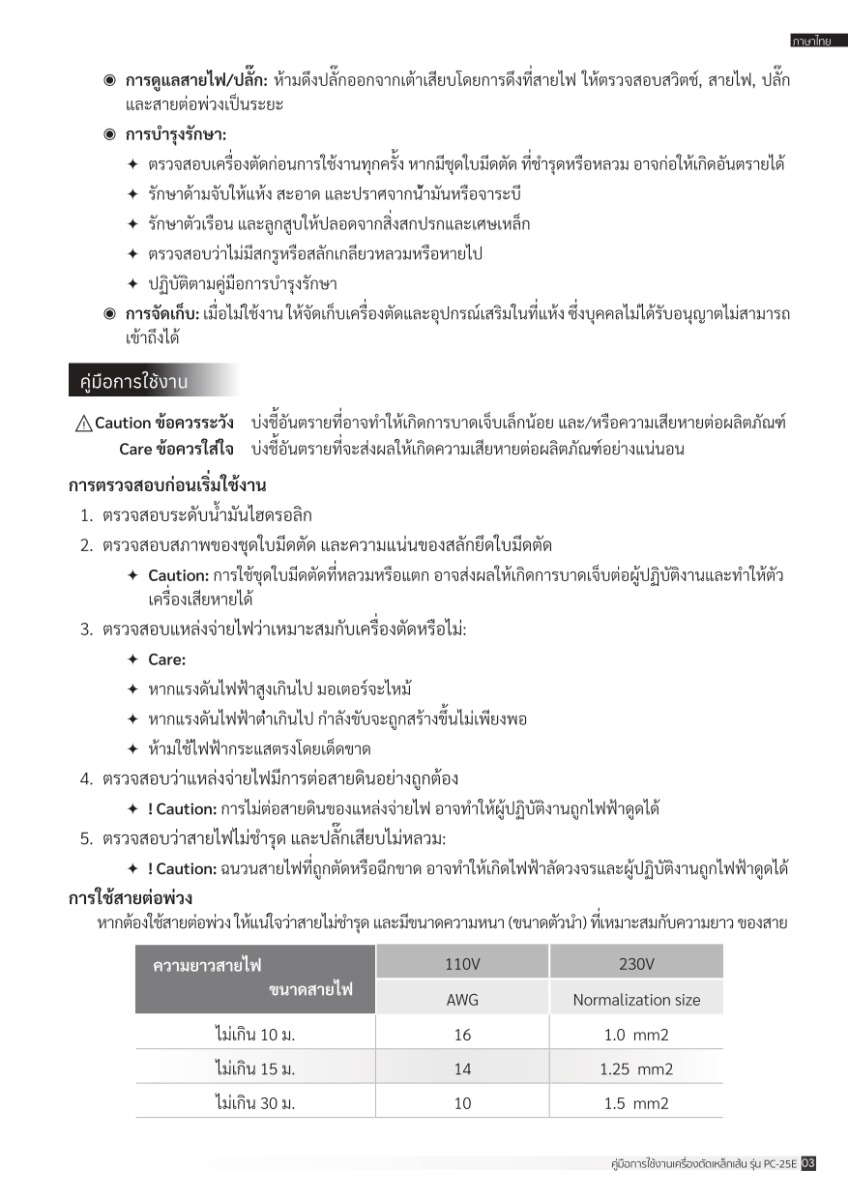
Unstable Voltage: Using an extension cord that is too long or has too small a wire gauge causes a voltage drop, preventing the motor from operating at full capacity. The recommended wire size is no less than 2.5 mm².
Material is Too Hard: Check if the rebar being cut exceeds the machine's specified maximum tensile strength (normally should not exceed 750 N/mm²).
Insert the rebar between the stopper and the front cutting block. Ensure that the rebar is correctly positioned on the U-shaped support.
Pull and hold the trigger switch as the piston moves forward to cut the rebar. (If the switch is released mid-cut, the piston will stop).
Once the cut is complete, release the switch. The piston will automatically retract. (Note: The switch cannot be operated again until the piston has fully retracted).
Malfunctioning Valve or Cylinder: If the machine still fails to cut after checking the oil and blades, the release valve may be malfunctioning, or the internal hydraulic cylinder may be damaged.
Degraded or Dirty Oil: The hydraulic fluid should be replaced periodically (ISO VG 46 is recommended) to prevent valve clogging.
Low hydraulic oil level is the most common cause of malfunction. Always check and refill the hydraulic oil to the edge of the filler port to ensure proper operation.
Air trapped in the hydraulic system can reduce performance. If air bubbles are present in the oil, the machine will not operate at full efficiency. Perform air bleeding by gently tilting the machine back and forth while refilling the oil.
Leaking Seals: If oil leaks from the cylinder or valves, the pressure will drop, resulting in a failure to cut.
Dull or Chipped Blades: Check the cutting edges on all 4 sides of the cutting blocks. If dull, rotate to a new edge or replace the pair of blades immediately.
Excessive Blade Clearance: The clearance between the upper and lower blades should be maintained at approximately 0.2 mm.
Unstable Voltage: Using an extension cord that is too long or has too small a wire gauge causes a voltage drop, preventing the motor from operating at full capacity. The recommended wire size is no less than 2.5 mm².
Material is Too Hard: Check if the rebar being cut exceeds the machine's specified maximum tensile strength (normally should not exceed 750 N/mm²).


 1.เจียร ตัด ขัด ถู
 2.งานเชื่อม ตัดพลาสม่า
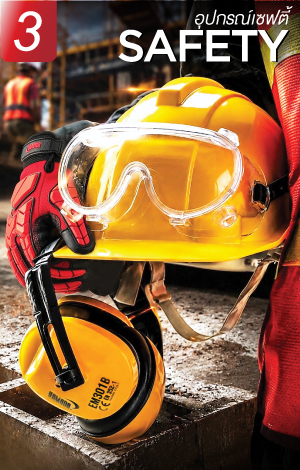
  3.อุปกรณ์เพื่อความปลอดภัย
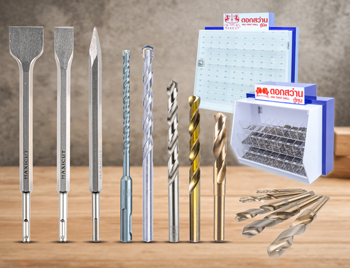
  4.เจาะ เซาะ กัด เลื่อย
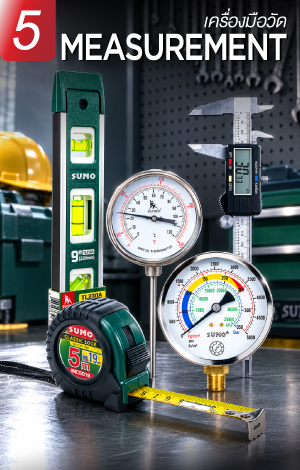
  5.เครื่องมือวัด
  6.อุปกรณ์ไฟฟ้า
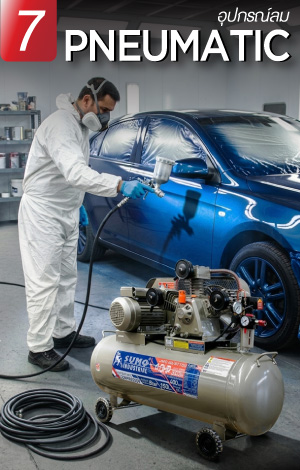
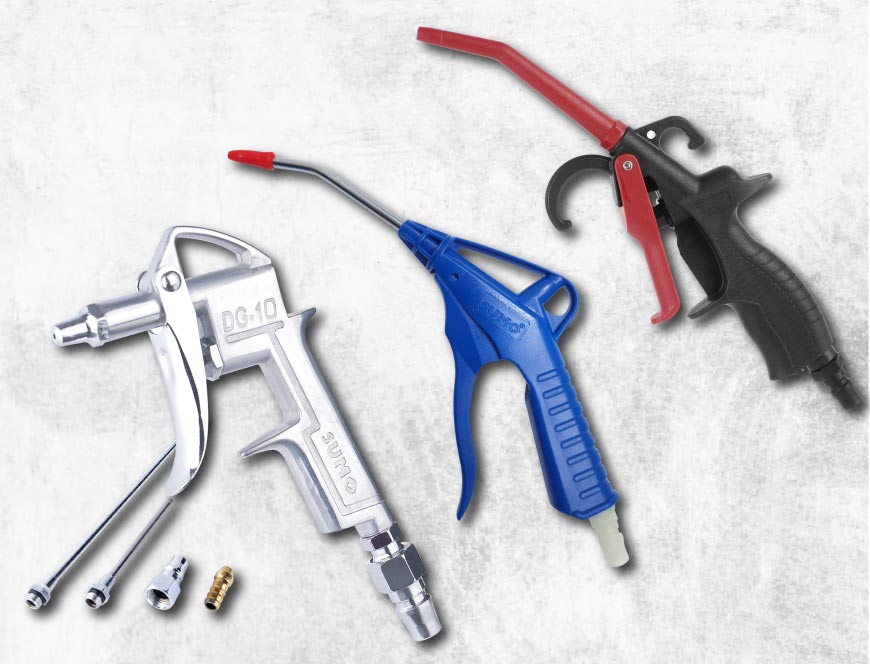
  7.อุปกรณ์ลม
  8.เครื่องมือไฟฟ้า
  9.ปั๊มน้ำ เครื่องอัดฉีด
  10.อุปกรณ์ดูแลรถยนต์
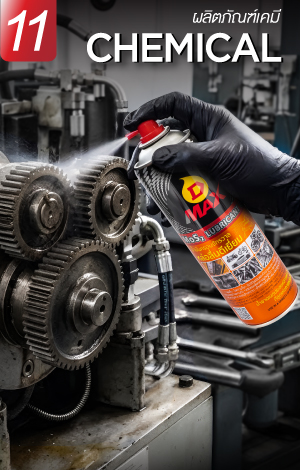
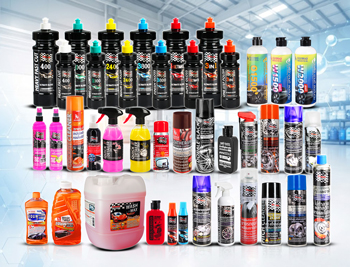
  11.เคมีภัณฑ์
  12.เครื่องมือ
  13.เครื่องจักร